Sony Wants to Buy Tamron for $1.2 Billion — Here's Why That Actually Makes Sense
Sony has made a non-binding offer to buy Tamron outright, and if this goes through, it's a bigger deal for the camera industry than the headline number suggests.
Tamron confirmed on July 30 that it received an acquisition proposal from Sony Group covering a series of transactions that would fold Tamron in as a wholly owned subsidiary. The company's put together a committee to review it. Sony confirmed the approach too, though — true to form — it wouldn't touch the price question.
Nobody's put an official number on it. Japanese outlet Diamond broke the story first, pegging the offer around ¥200 billion — somewhere around $1.2 to $1.3 billion, roughly what Tamron's market cap was before any of this leaked. Tamron's stock jumped nearly 29% overnight once the news hit.
Why Sony Actually Wants This
There are two things happening at once here, and honestly, either one alone would probably be enough justification.
Sony's getting boxed out of its own investment. Sony's been Tamron's biggest shareholder for years, sitting around 15%, which worked fine as a quiet stabilizing presence between the two companies. Then Effissimo Capital Management — a Singapore-based activist fund — started buying up shares and pushed its stake from under 11% to nearly 17.4%, bumping Sony down to second place. That name should ring a bell if you follow Japanese corporate news: Effissimo is the same fund that forced an extraordinary shareholder meeting at Toshiba back in 2021, a fight that eventually led to Toshiba going fully private in 2023. Having a fund with that exact playbook sitting on top of Tamron's ownership is not a comfortable position for Sony to be in. Activist investors love pushing for restructuring, big short-term payouts, or selling assets off to whoever pays most — and none of those outcomes are great for Sony if it means Tamron's manufacturing priorities shift away from E-mount. Buying the company outright just ends the conversation.
Tamron is genuinely load-bearing for Sony's lens lineup. Tamron builds more than 20 lenses for the E-mount system, and it's one of the most important third-party lens makers in the entire mirrorless era — arguably second only to Sigma. Owning that manufacturing and engineering talent outright, instead of just benefiting from it as a partner, is a real strategic upgrade. Sony gets to capture the profit from those lens sales directly, deepen the E-mount catalog, and lock in supply. And frankly, at this price, it's not much of a gamble — we're talking under 1% of Sony's total market cap, a fraction of what it spent scooping up Bungie a few years back, and Tamron's a much more predictable business than a video game studio.
Sony's own public line has been fairly modest — telling Reuters the deal would be good for Tamron's shareholders and would help Sony's imaging business. That's corporate-speak for "yes, obviously."
This also isn't new territory for Sony. It fully absorbed Konica Minolta's camera division back in 2006, and picked up Toshiba's image sensor business in 2015. Both of those moves ended up becoming core to what Sony's imaging division looks like today, so there's precedent for this working out well for them.
What This Means If You Shoot Nikon, Canon, or Fujifilm
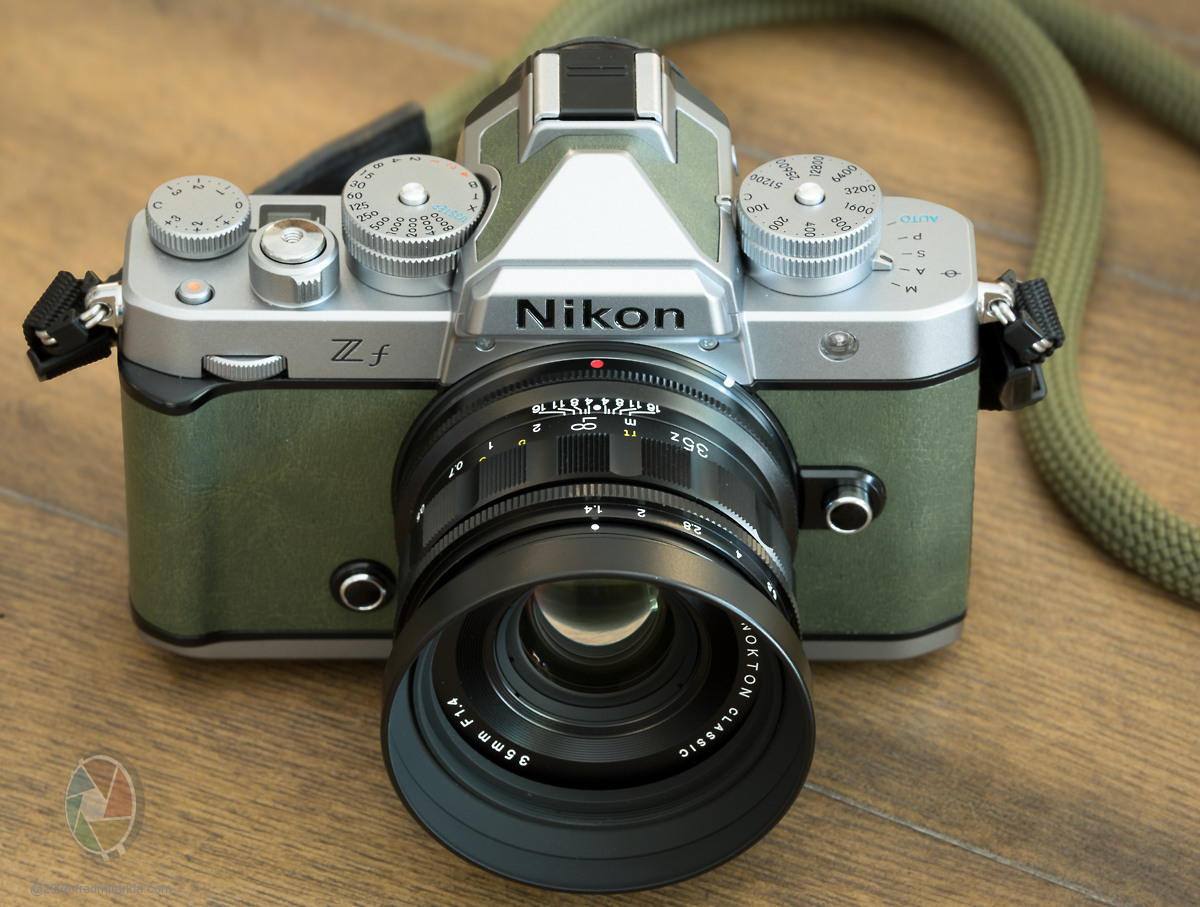
Here's the part that should actually get non-Sony shooters' attention: Tamron isn't just an E-mount lens house. It builds glass for Nikon Z, Canon RF, and Fujifilm X too, and a lot of that glass has been some of the best value in those systems — the kind of lens people recommend as a first upgrade off the kit zoom.
Nothing changes for you right now. There's no reason for Tamron to pump the brakes on its multi-mount roadmap mid-negotiation — that revenue doesn't stop mattering just because a deal is being discussed, and these things tend to drag on for months. If there's a risk to your system's Tamron lineup, it shows up after a deal closes, not during the courtship phase.
Two things are still very much up in the air:
-
Effissimo isn't going anywhere quietly. With 17.4% of the company and a documented history of squeezing serious premiums out of Japanese buyouts, this fund has real leverage over the final price — and possibly over how the deal gets structured at all.
-
This might not even be primarily about cameras. Photographic products made up about three-quarters of Tamron's sales as of 2023, but the company also runs surveillance, automation, mobility, and healthcare optics divisions that bring in real money — spaces where Sony already has its own interests. Don't be surprised if some of the strategic value here has nothing to do with lenses at all.
None of this is locked in. Tamron could still walk away and stay independent. But between the activist-investor pressure Sony's trying to shake and the upside for its imaging business, this deal has a clear internal logic — which is exactly why the market reacted the way it did the moment the news broke.
We'll keep an eye on this one.