Leica M EV1
60.3MP full-frame · $9,290 body-only · Leica M-mount
The M EV1 is a well-executed, genuinely useful evolution of the M system for a specific kind of photographer — just not for everyone who's ever loved an M camera. We'll keep shooting with it and update this review as we spend more time with different lens pairings.
Pros
Cons
Full disclosure: fyiCams.com owns this unit. We've tried to keep this review as clear-eyed as we would for any camera that walked through our door — this isn't a paid placement, and we're not pulling punches where they're warranted.
First Impressions
There's a specific feeling that comes with opening a Leica box for the first time — whether that's the M EV1 or any other M-series body, it's hard to say, since this is the camera that made the connection for us. The weight of it, the cold brass-and-aluminum feel in hand, the almost total absence of plastic creak that you'd expect from a $9,000+ camera — it all adds up to something that feels less like unboxing electronics and more like being handed a well-made tool. Whether that's Leica magic or just good industrial design is a fair question, but the effect is real either way.
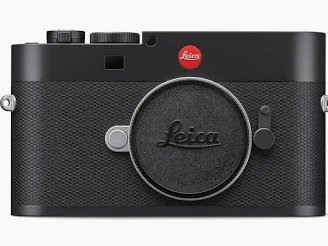
The M EV1 looks like an M11 at a glance, and that's intentional. But look closer and the differences start to matter: there's no rangefinder window on the front plate, no ISO dial on the top plate, and a new diamond-pattern leatherette wraps the body. It's 46 grams lighter than the M11-P, which doesn't sound like much until you've carried both for a full day of shooting.
What's Actually New Here
For 70-plus years, the defining feature of an M camera was the optical rangefinder — a manual, coupled focusing mechanism that's as much a philosophy as a spec. The M EV1 replaces it entirely with a 5.76-million-dot electronic viewfinder, borrowed and adapted from the Q3 line, with 0.76x magnification and diopter adjustment from -4 to +2.
That's the headline, and it's a genuinely significant departure for the M line. Whether it's the right one depends entirely on why you picked up an M camera in the first place.
Full specifications
Image Quality
The sensor here is the same 60MP BSI CMOS unit found in the M11, with the same dual-layer UV/IR cut-off filter and offset microlenses tuned specifically for the way older M-mount glass projects light onto the sensor at steep angles. In practice, that means classic Leica lenses — Summicrons and Summiluxes from decades ago — render the way they're supposed to, without the smearing or heavy vignetting you sometimes get pairing vintage optics with a modern sensor not designed for them.
Detail retention at full 60MP is excellent, and the option to shoot at 36MP or 18MP instead is genuinely useful rather than a checkbox feature — smaller files mean faster buffer clearing and easier storage, and there's no meaningful quality penalty for most use cases. Dynamic range holds up well in high-contrast scenes, and color rendering has that slightly warm, slightly restrained "Leica look" that's hard to quantify but easy to recognize once you've shot with one for a while.
Handling and the EVF Question
This is where the M EV1 either wins you over or doesn't. Losing the rangefinder means losing the manual, mechanical focusing ritual that's core to the M experience for a lot of longtime users — the patch-and-frame coincidence, the tactile feel of nailing focus without any electronic assistance. In its place, you get focus peaking, magnified live view, and a viewfinder that shows you exactly what the sensor sees, including accurate framing for ultra-wide lenses (21mm, 24mm) that traditional M viewfinders have always struggled to represent well.
For photographers who found the rangefinder more nostalgic than functional, this is a clear upgrade — faster, more accurate manual focus, especially with fast glass like the Summilux and Noctilux lines. For photographers who bought into the M system specifically for the rangefinder experience, the EV1 may feel like it's solving a problem they didn't have.
The new custom function lever on the front plate is a nice touch — it handles focus aids and digital zoom without taking your eye off the viewfinder, and it's clearly borrowed from lessons learned on the Q and SL lines.
Battery Life and Storage
CIPA ratings of 237–244 shots per charge are on the modest side, even by mirrorless standards, though CIPA numbers tend to undersell real-world performance for most shooters. The 64GB of built-in storage is a genuinely nice safety net — you can shoot without a card at all, or use internal memory alongside an SD card to split file types or add overflow capacity. A single UHS-II slot is a minor ding for anyone used to dual-card redundancy, though that's consistent with the rest of the M line.
Who This Camera Is For
The M EV1 isn't trying to replace the M11-P, and it shouldn't be read as a rangefinder killer. It's a genuinely new branch of the M system — Leica's own materials frame it as a third category alongside the digital and analog rangefinder lines, and that framing feels accurate. If you shoot wide or with fast lenses and have ever fought a rangefinder to get exact framing, or if you're coming to the M system from a modern mirrorless background and want the lens ecosystem without the learning curve of zone/rangefinder focusing, this is the more usable camera.
If the rangefinder itself was ever the point for you, the M11-P remains the better fit — and it's worth saying plainly that you can get comparable sensor performance from cameras costing a fraction of the price if the Leica name and rangefinder heritage aren't part of what you're paying for.